What is a Blockchain?
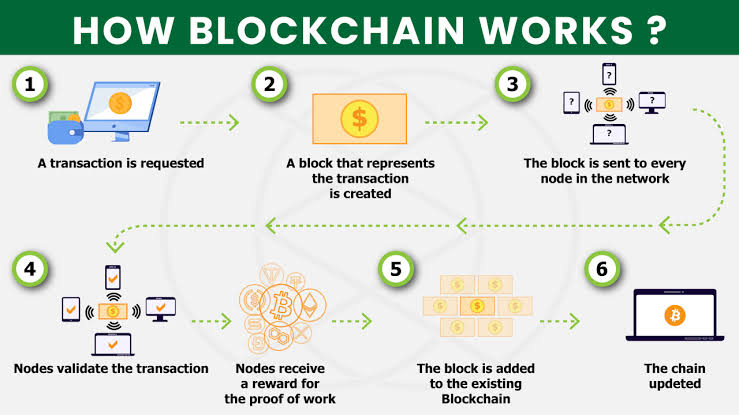
A blockchain is like a digital notebook shared across many computers. Every time someone sends or receives cryptocurrency, the transaction is recorded in this notebook. Each record is called a block.
How Blocks are Linked
Each block is linked to the one before it. This chain of blocks ensures that nobody can change past transactions without everyone noticing. It makes blockchain secure and trustworthy.
Decentralization Explained
Unlike a bank, which keeps all records in one place, blockchain is decentralized. Thousands of computers (called nodes) maintain a copy of the blockchain. If one computer fails, others still have the record.
Mining and Validation
Mining is how transactions are confirmed and added to the blockchain. Miners solve complex math problems to validate transactions. Once validated, transactions are permanent.
Smart Contracts
Some blockchains like Ethereum allow programs called smart contracts to run automatically when certain conditions are met. For example, releasing a payment only when work is delivered.
Why Blockchain Matters
- It ensures transparency: everyone can verify transactions.
- It provides security: once recorded, data can’t be altered.
- It allows decentralization: no single authority controls it.
- It powers all cryptocurrencies and many decentralized applications.
Key Takeaways
Blockchain is the backbone of crypto. Understanding it helps you trade smarter and safely interact with digital assets. Always remember: every crypto transaction you make is part of this immutable ledger.