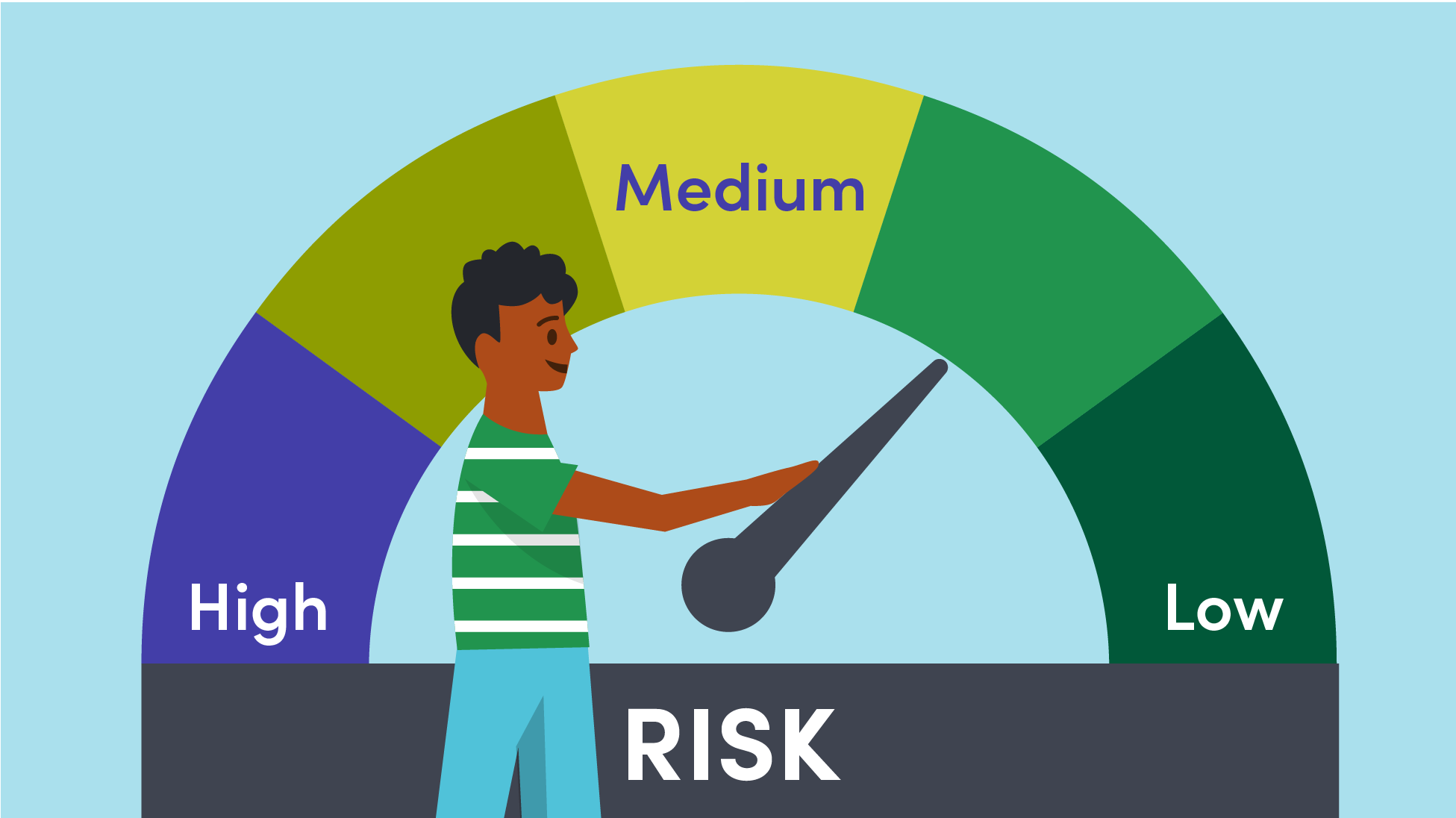
1. Importance of Risk Management
Every trade carries risk. Managing it ensures you survive losses and stay in the game long-term. Key points:
- Never risk more than a small percentage of your account on a single trade.
- Protect your capital before seeking profits.
- Consistent risk management improves psychological discipline.
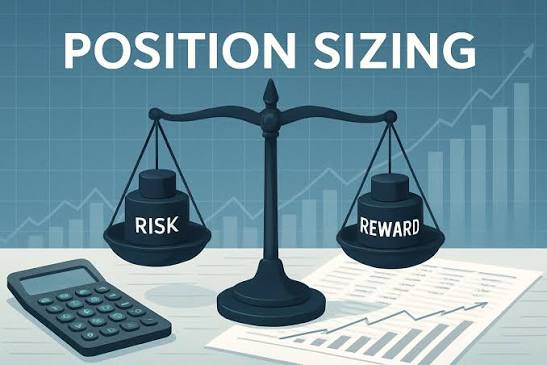
2. Position Sizing
Determine the correct trade size based on your account and risk tolerance:
- Example: Risk 2% of a $1000 account = $20 per trade.
- Adjust trade size according to stop-loss distance.
- Smaller positions help manage volatility and emotions.
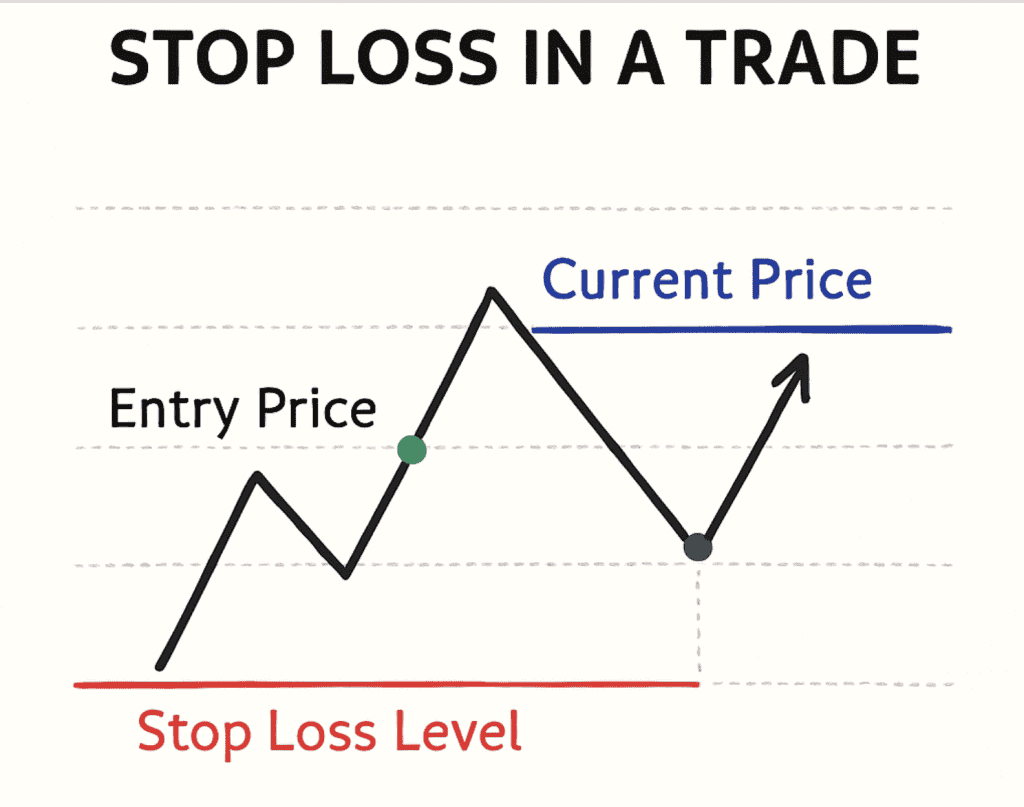
3. Stop-Loss Orders
Stops protect your capital by automatically closing losing trades:
- Place stop-loss below support in long trades or above resistance in short trades.
- Never remove stop-loss arbitrarily; it defeats risk control.
- Use trailing stops to protect profits as price moves favorably.
4. Risk/Reward Ratio
Evaluate potential reward compared to risk before entering trades:
- Ideal ratio: aim for at least 2:1 (potential profit ≥ 2× potential loss).
- Ensures that even with losing trades, profits accumulate over time.

Key Takeaways
- Never risk too much on a single trade.
- Use stop-losses and proper position sizing.
- Maintain consistent risk/reward strategy for long-term success.