1. Currency Correlation Basics
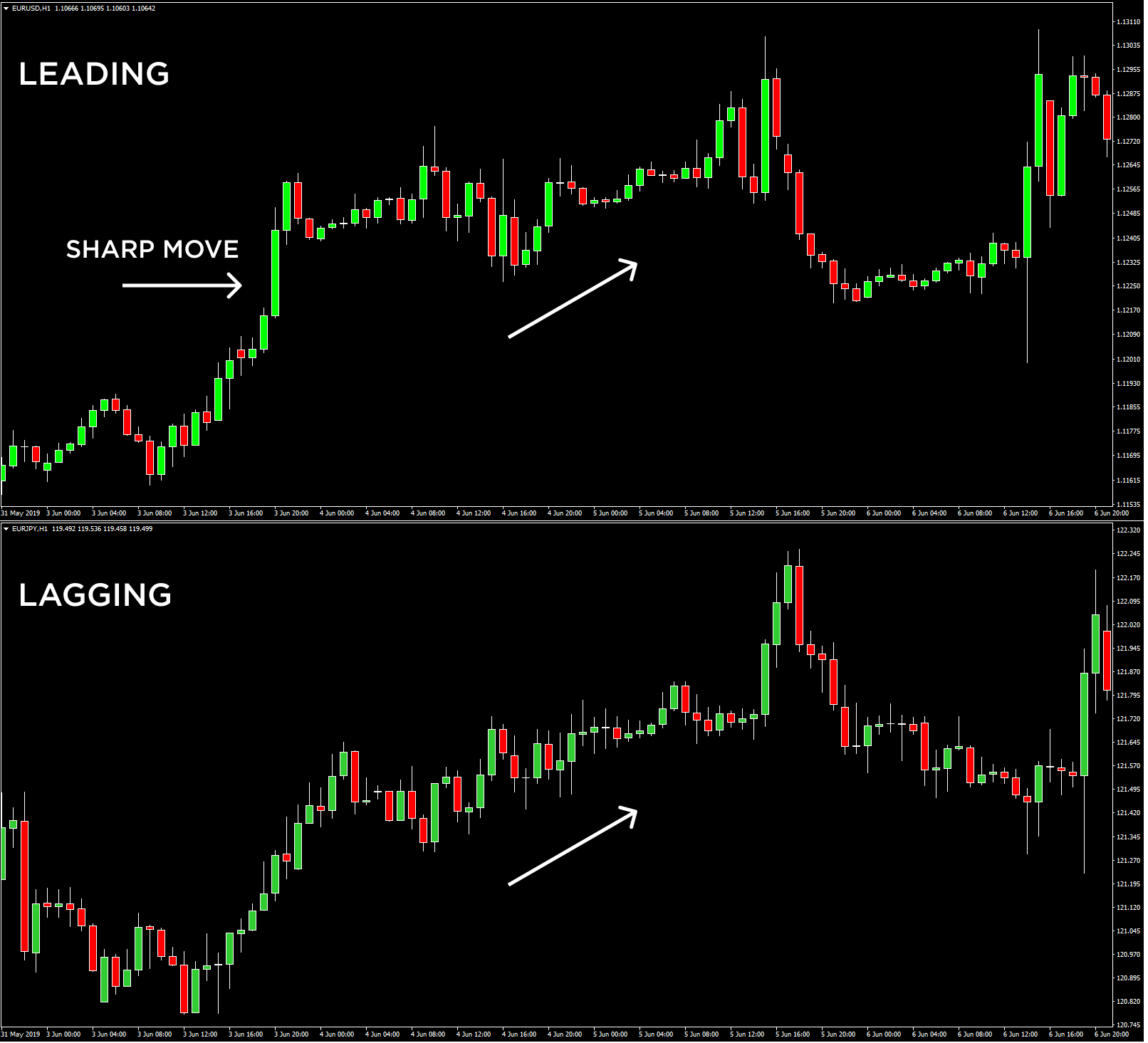
Currency pairs often move in relation to each other. Correlations can be:
- Positive Correlation: Two pairs move in the same direction. Example: EUR/USD and GBP/USD.
- Negative Correlation: Two pairs move in opposite directions. Example: USD/CHF and EUR/USD.
- No Correlation: Movements are independent; no consistent relationship.
2. How to Use Correlations
- Avoid overexposure: Trading positively correlated pairs simultaneously increases risk.
- Hedging: Use negatively correlated pairs to reduce risk.
- Confirmation: Correlation can confirm trade setups across pairs.
3. Market Fundamentals Overview
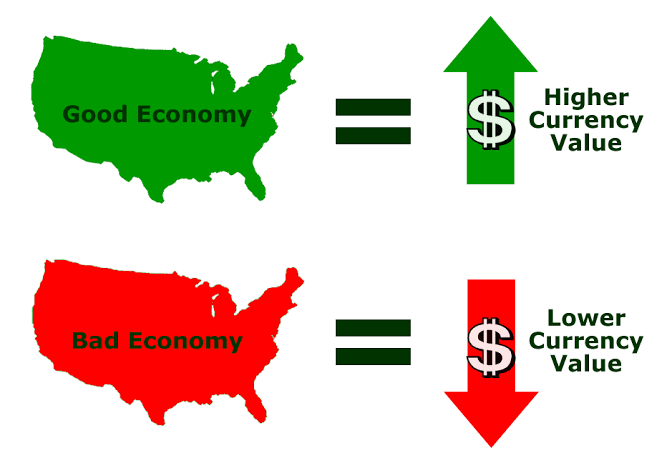
Fundamentals are the economic and political events that influence currency strength. Key examples:
- Interest Rates: Higher rates attract capital, strengthening the currency.
- Economic Reports: GDP, inflation, employment figures impact currency sentiment.
- Political Stability: Elections, geopolitical risks, and policies can trigger volatility.
- Central Bank Announcements: Guidance on rates, quantitative easing, or interventions affect direction.
4. Combining Correlation & Fundamentals
Successful trading requires looking at correlations and fundamentals together:
- Check correlations before opening multiple trades to avoid unintended exposure.
- Use fundamental news as a trigger for trade entries/exits.
- Cross-check charts with correlated pairs to validate technical signals.
Key Takeaways
- Currency correlations guide portfolio risk and trade alignment.
- Fundamentals affect long-term trends and short-term volatility.
- Combine correlations, fundamentals, and technical analysis for smarter trading decisions.