1. What is a Forex Broker?
A Forex broker is a company that provides access to the currency markets. They execute trades on your behalf and may provide trading platforms, educational resources, and customer support.
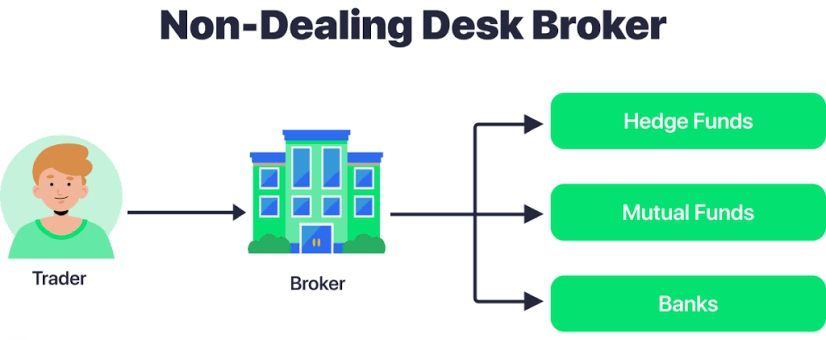
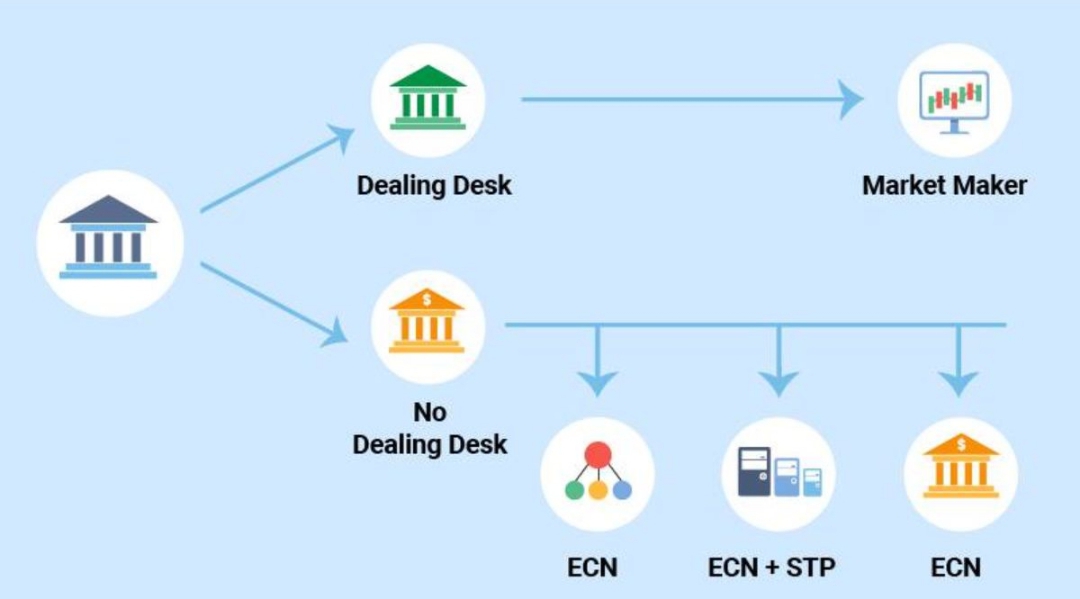
- ECN (Electronic Communication Network): Connects traders directly to the market. Offers tighter spreads but charges commissions.
- STP (Straight Through Processing): Orders sent directly to liquidity providers. Often combines ECN and market maker features.
3. Account Types
Brokers offer multiple account types to suit trading experience and capital:
- Standard Account: Trades in standard lots, full access to all features.
- Mini Account: Allows trading mini lots, lower risk for beginners.
- Micro Account: Trade in micro lots; very low risk and smaller capital requirements.
- Demo Account: Practice trading with virtual money before using real funds.
4. Key Considerations When Choosing a Broker
- Regulation and licensing – ensure broker is regulated by a recognized authority.
- Spreads and commissions – lower costs improve profitability.
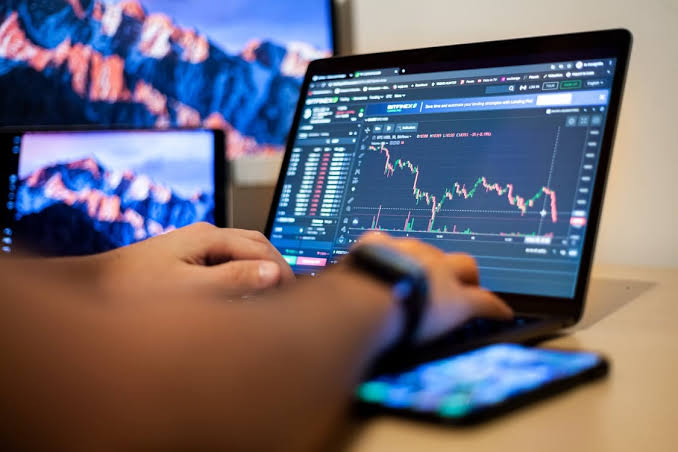
- Trading platform – should be stable and user-friendly (e.g., MetaTrader 4/5).
- Deposit and withdrawal options – should be convenient and secure.
- Customer support – prompt assistance when needed.
Key Takeaways
- Brokers provide access to Forex markets; choose a regulated and reliable one.
- Understand account types: demo, micro, mini, and standard.
- Check fees, platform usability, and support before trading with real money.